Enquire Online Now
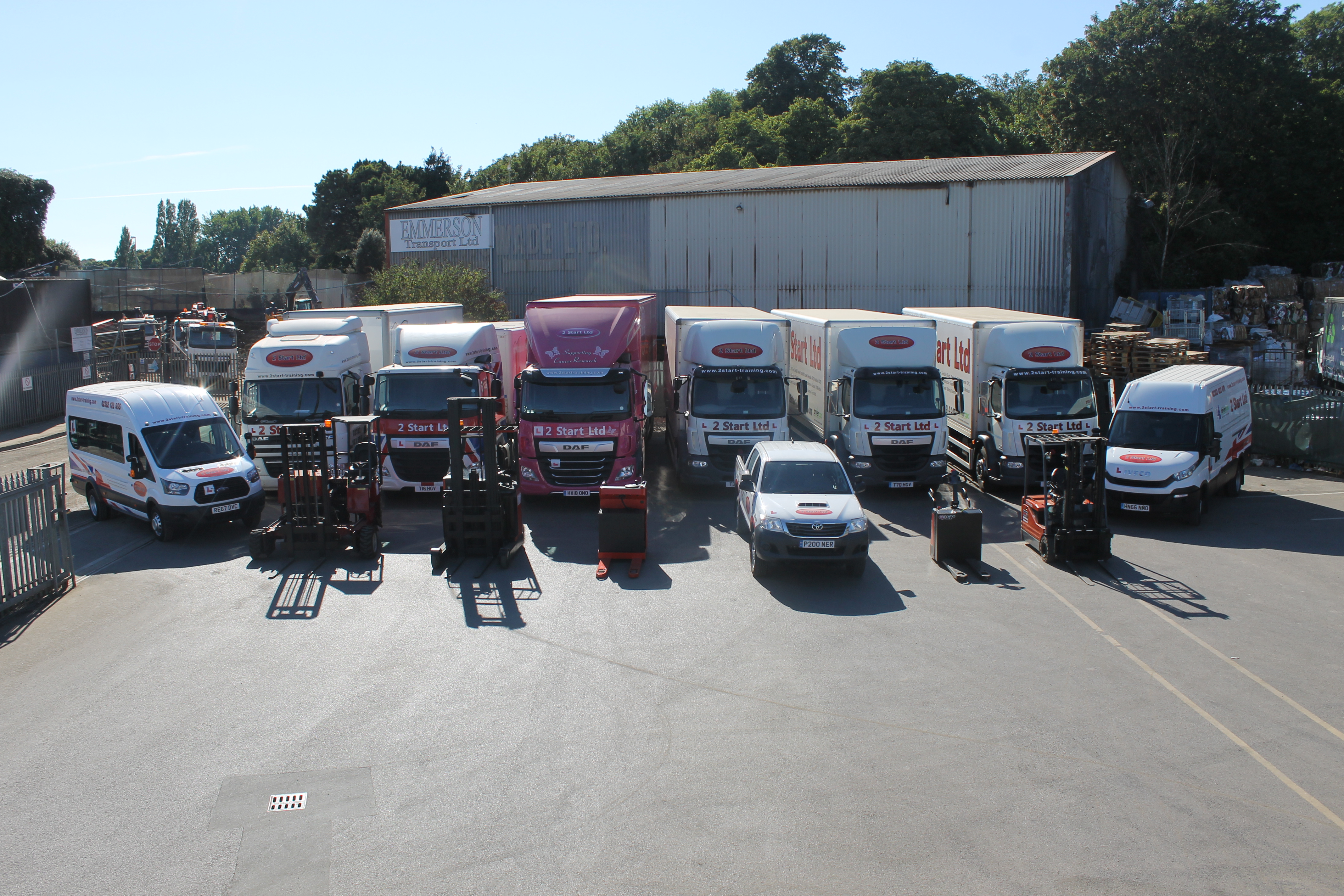
Logistics apprenticeships are no longer just an entry-level option for school leavers. In 2026, they are increasingly being used as a strategic workforce solution, by employers looking to develop talent sustainably and by individuals seeking structured progression without unnecessary risk.
For businesses in logistics and transport, apprenticeships offer a practical way to build capability, improve retention, and address long-term skills shortages. For learners, they provide a clear route into skilled roles with recognised qualifications and real-world experience.
What an Apprenticeship Actually Delivers
At its core, an apprenticeship combines paid employment, on-the-job training, and formal qualifications aligned to industry standards. Unlike short courses alone, apprenticeships are designed to develop capability over time, embedding skills directly into day-to-day operations.
From a business perspective, this means:
- Skills are developed in line with real operational needs
- Learning is applied immediately, not in isolation
- Employees gain competence gradually and sustainably
Rather than training being a one-off event, apprenticeships integrate learning into the role itself.

Why Apprenticeships Make Sense for Workforce Planning
Many businesses face the same challenges: difficulty recruiting experienced staff, high turnover, and gaps in skills that aren’t easily filled by external hiring.
Apprenticeships help address this by allowing organisations to:
- Develop talent internally
- Standardise training and expectations
- Improve retention through clear progression pathways
- Reduce reliance on constant recruitment
Because apprentices are trained within the business, they develop a deeper understanding of company processes, standards, and culture, something that’s difficult to achieve through short-term hires alone.
Apprenticeships Aren’t Just for Entry-Level Roles
A common misconception is that apprenticeships only apply to junior or low-skilled positions. In reality, apprenticeships can support progression into skilled, technical, and management roles, particularly within logistics.
They are increasingly used for:
- Operational and transport roles
- Compliance and planning functions
- Supervisory and management pathways
For existing employees, apprenticeships can also be used to formalise experience, upskill teams, and prepare individuals for greater responsibility.
A Practical Fit for the Logistics Industry
Logistics is a skills-driven industry with clear compliance requirements and operational standards. Apprenticeships align well with this structure because they combine technical knowledge with practical application.
Rather than relying solely on experience or ad-hoc training, apprenticeships provide a consistent framework for developing competent, compliant professionals.
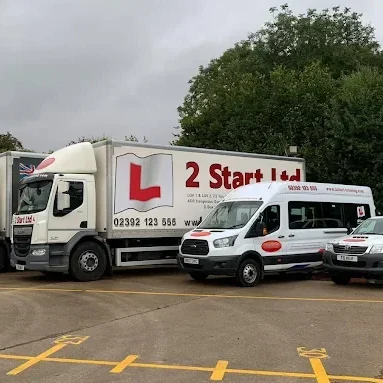
At 2 Start Training, apprenticeship programmes are designed to reflect real operational demands, ensuring training is relevant, structured, and aligned with industry expectations.
Experience Isn’t the Barrier People Think It Is
From a business perspective, apprenticeships are not about hiring people with no capability, they are about developing capability in a controlled, supported way.
Learners don’t need prior experience in the role. What matters more is:
- Reliability and commitment
- Willingness to learn
- Ability to apply training in practice
Many apprentices bring transferable skills from previous roles, which are then strengthened through structured training.
Cost, Funding, and Long-Term Value
One of the reasons apprenticeships continue to grow is their cost-effectiveness. Training is funded in a way that reduces financial risk for both employers and learners, while delivering long-term value through skilled, retained staff.
Rather than paying repeatedly for recruitment, onboarding, and replacement, apprenticeships invest in people over time, building capability that stays within the business.
Is an Apprenticeship the Right Strategic Choice?
An apprenticeship may be the right option if:
- You’re looking to build skills sustainably
- You value structured development over quick fixes
- You want training aligned to real job roles
- You’re focused on long-term capability and progression
For many organisations and individuals, apprenticeships are not an alternative to traditional training; they’re a more strategic way of approaching it.
In 2026, successful career development and workforce planning are less about short-term solutions and more about making informed, structured decisions.
Apprenticeships offer a route that balances training, productivity, and progression, without forcing unnecessary risk or disruption.
👉 To explore apprenticeship options or discuss how they could fit your business or career plans, get in touch with 2 Start Training for tailored advice.